 Mariordo (Mario Roberto Durán Ortiz) · CC BY-SA 4.0
to Basque coast
Pintxos bay where France meets Spain
9 days · 1,762 km · by motorhome, two people
Real routes and published prices — no guesses
- Fuel€495211 litres at an average €2.34 a litre
- Price per litre on the waySpain €1.89 · France €2.35 · United Kingdom €2.35
- Motorway tolls in France€54.60Tours Centre (Sorigny) → Bordeaux (Virsac), A13
- Motorway tolls in France≈ €91An allowance: 779 tolled km at the country's usual rate — we don't hold its published tariff yet.
- M6 Toll€13.11Larger vehicle (class 3–4)
- Dartford Crossing€4.13Class B: car (including when towing a trailer), motorhome, or minibus with 9 seats or fewer
- Dover–Calais ferryprice on booking
- 8 nights€150≈ €19 a night — every night is listed under “Where you'll sleep”
- Food€361≈ €40 a day for 9 days, cheap eats
Fuel: the EU Weekly Oil Bulletin, week of 2026-10-18. Tolls, vignettes and ferries: the operators' and authorities' published prices. Nights and food: typical prices in each country for the kind chosen.
- Dover–Calais ferryprice on bookingDFDS / P&O Ferries / Irish Ferries · about 1.7 h on board · The operator's prices
- Motorway tolls in France€54.60Paid on the road: Tours Centre (Sorigny) → Bordeaux (Virsac), A13
- Motorway tolls in France≈ €91An allowance: 779 tolled km at the country's usual rate — we don't hold its published tariff yet.
- M6 Toll€13.11
- Dartford Crossing€4.13
- Low-emission zoneLondon: ULEZ — £12.50/day if non-compliant (covers all Greater London)
- On the roadIn the French mountains, 1 November – 31 March, the signed communes of 34 departments want four 3PMSF tyres, or chains or snow socks for two driven wheels in the car. A motorhome may satisfy it either way.
- On the roadSpain sets no winter-tyre season: in heavy snow the signs demand chains, and the road may simply be shut to cars without them.
- On the roadIn January 527 Spanish campsites are open against 1 285 in August (INE) — four in ten of the summer stock.
Only official sellers are linked.
- Night 1 · Foots Cray€21Woollett Hall Farm · campsite
- Night 2 · Rue · 22 km from Abbeville€22Camping de la Maye · campsite
- Night 3 · Châtellerault€22Camping du Chillou · campsite
- Night 4 · Lasarte-Oria · 5 km from San Sebastián€17Camping Igara de San Sebastian · campsite
- Night 5 · Lasarte-Oria · 5 km from San Sebastián€17Camping Igara de San Sebastian · campsite
- Night 6 · Lasarte-Oria · 5 km from San Sebastián€17Camping Igara de San Sebastian · campsite
- Night 7 · Lasarte-Oria · 5 km from San Sebastián€17Camping Igara de San Sebastian · campsite
- Night 8 · Lasarte-Oria · 5 km from San Sebastián€17Camping Igara de San Sebastian · campsite
Priced for campsites: typical prices in each country, not a booking.
Sources: EU weekly fuel bulletin · operators' published tariffs · Wikipedia · map © OpenStreetMap contributors
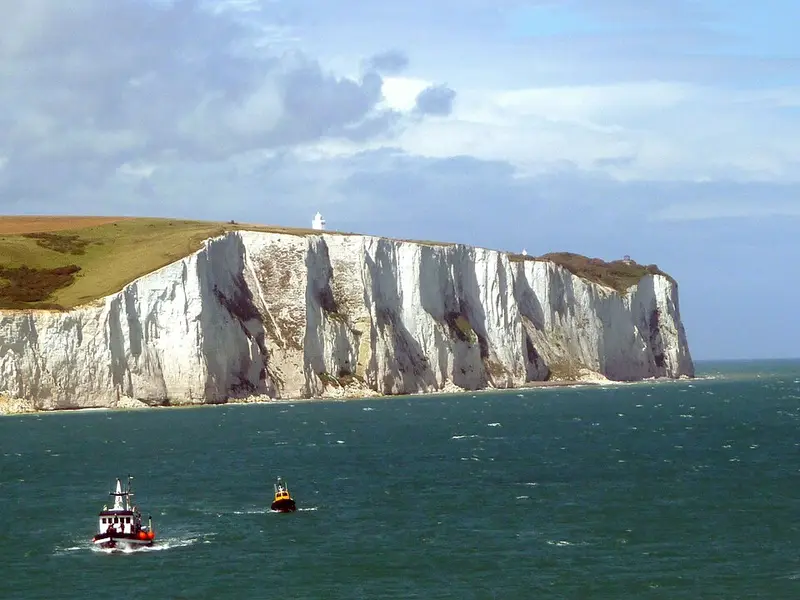
- White Cliffs of DoverThe White Cliffs of Dover are the region of English coastline facing the Strait of Dover and France.492 km
White Cliffs of Dover
Day 2 · 103 km into the day · a lunch stop
The White Cliffs of Dover are the region of English coastline facing the Strait of Dover and France.
Wikipedia · Immanuel Giel · CC BY-SA 3.0
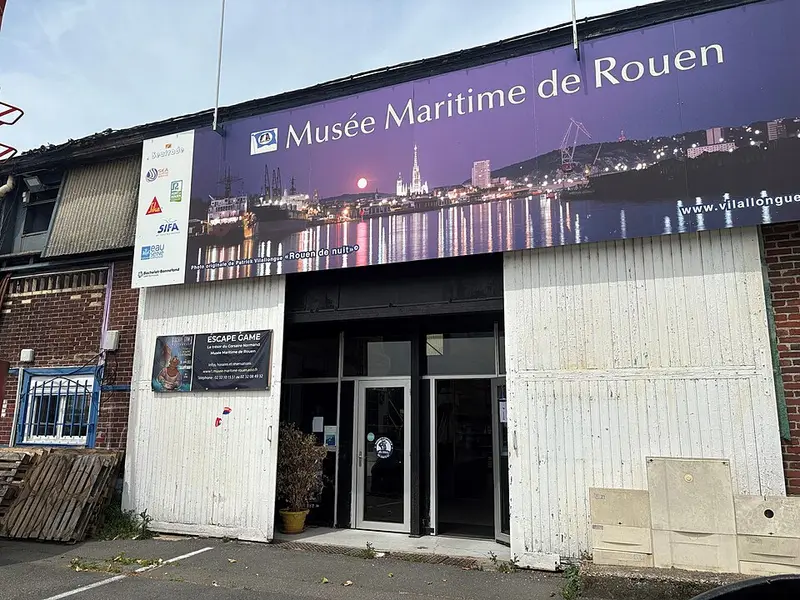
- Maritime, Fluvial and Harbour Museum of RouenThe Maritime, Fluvial and Harbour Museum of Rouen is a museum dedicated to the history of the port of Rouen, which is one of the greatest ports of France.780 km
Maritime, Fluvial and Harbour Museum of Rouen
Day 3 · 136 km into the day · a morning stop
The Maritime, Fluvial and Harbour Museum of Rouen is a museum dedicated to the history of the port of Rouen, which is one of the greatest ports of France.
Wikipedia · Nortix08 · CC BY-SA 4.0
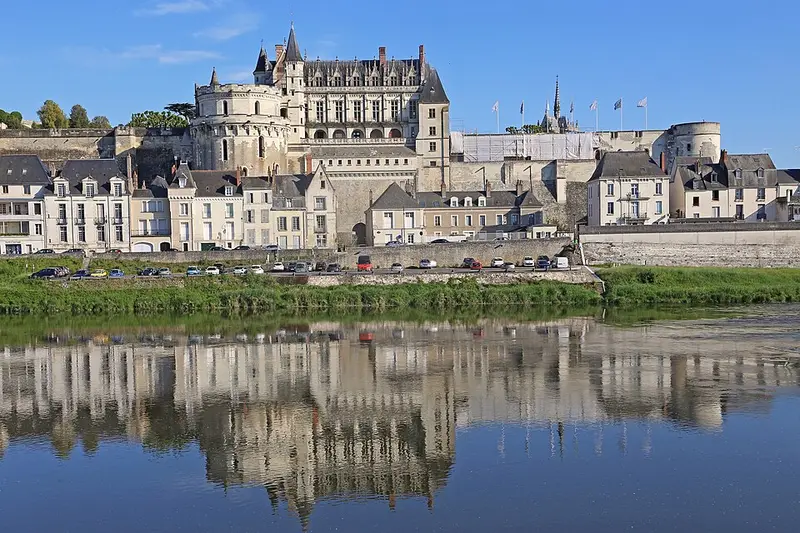
- Château d'AmboiseThe Château d'Amboise is a château in Amboise, in the Indre-et-Loire department of the Loire Valley in France.1,114 km
Château d'Amboise
Day 3 · 99 km before tonight's stop
Confiscated by the monarchy in the 15th century, it became a favoured royal residence and was extensively rebuilt.
Wikipedia · W. Bulach · CC BY-SA 4.0
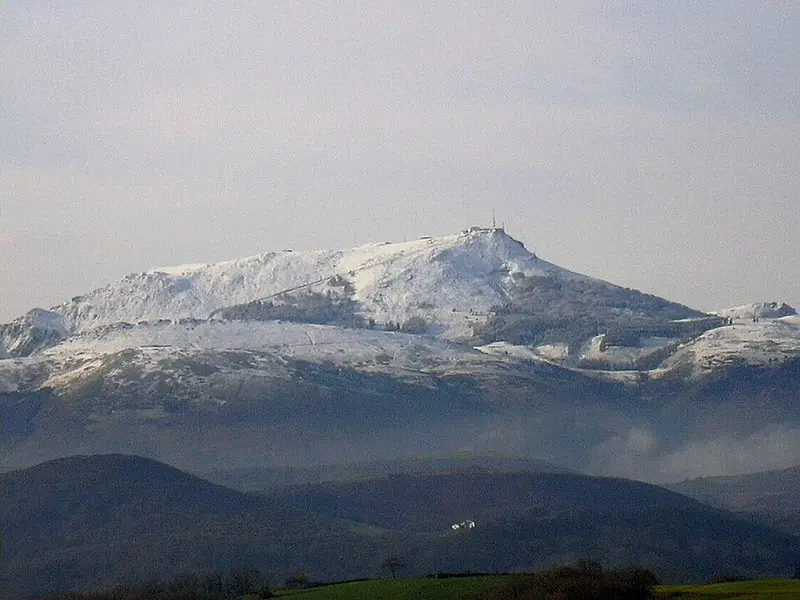
- LarrunLarrun is a mountain at the western end of the Pyrenees. It is located on the border of France and Spain, where the traditional Basque provinces of Labourd and Navarra meet.28 km
Larrun
Day 5 · 28 km from Donostia / San Sebastián
Larrun is a mountain at the western end of the Pyrenees. It is located on the border of France and Spain, where the traditional Basque provinces of Labourd and Navarra meet.
Wikipedia · No machine-readable author provided. Harrieta171 assumed (based on copyright cla · CC BY 2.5
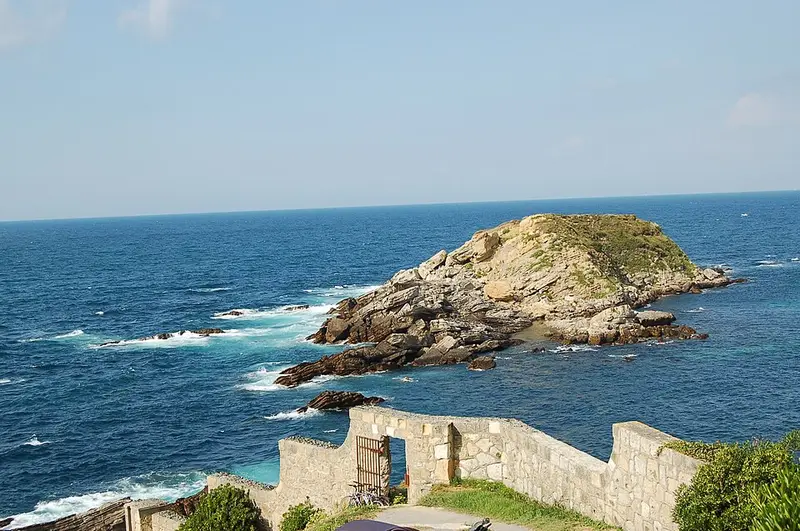
- Cape HiguerThe Cape Higuer is a cape on the Bay of Biscay standing out at the end of the mountain range Jaizkibel by the France–Spain border in the municipality of Hondarribia.17 km
Cape Higuer
Day 5 · 17 km from Donostia / San Sebastián
The Cape Higuer is a cape on the Bay of Biscay standing out at the end of the mountain range Jaizkibel by the France–Spain border in the municipality of Hondarribia.
Wikipedia · Mowenna · CC BY-SA 3.0
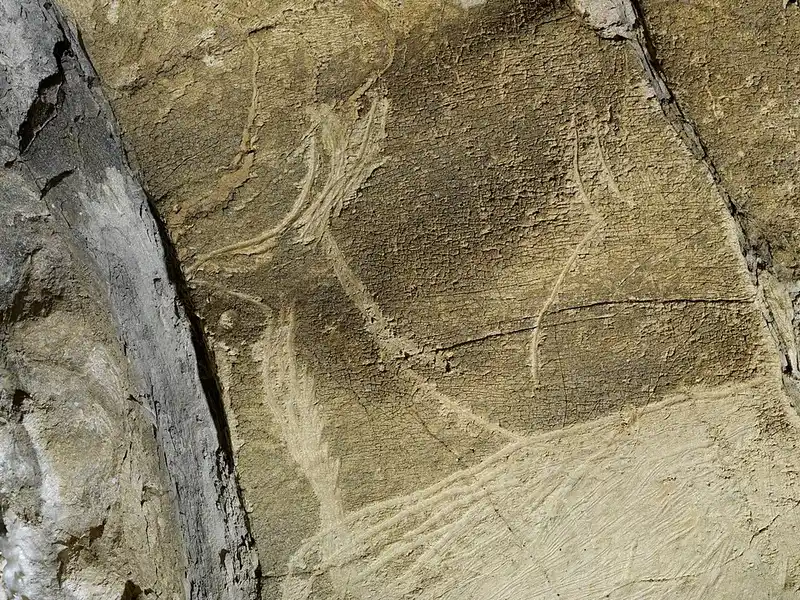
- Cave of AltxerriThe Cave of Altxerri is located in the municipality of Aya in the Basque Country.14 km
Cave of Altxerri
Day 5 · 14 km from Donostia / San Sebastián
Altxerri houses one of the largest sets of rock engravings of the area.
Wikipedia · GipuzkoaKultura · CC BY-SA 2.0