 Mariordo (Mario Roberto Durán Ortiz) · CC BY-SA 4.0
to Basque coast
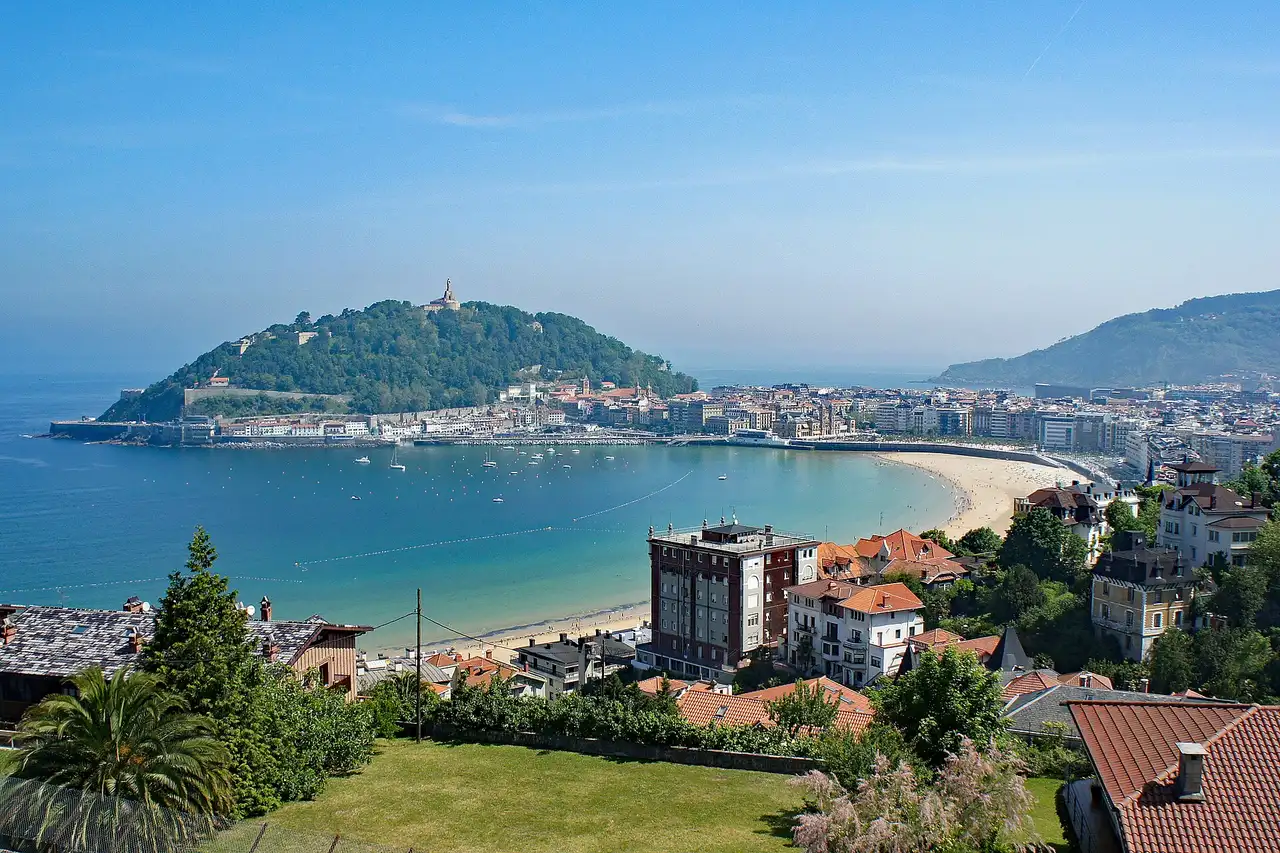
Pintxos bay where France meets Spain
10 days · 1,230 km · by motorhome, two people
Real routes and published prices — no guesses
- Fuel€347147 litres at an average €2.35 a litre
- Price per litre on the waySpain €1.92 · France €2.36 · United Kingdom €2.36
- Motorway tolls in France€1.17A13
- Motorway tolls in France≈ €48An allowance: 264 tolled km at the country's usual rate — we don't hold its published tariff yet.
- Dover–Calais ferryprice on booking
- Dartford Crossing€4.132-axle goods / large
- London Congestion Charge€21.25Car · 1 day
- 9 nights€167≈ €19 a night — every night is listed under “Where you'll sleep”
- Food€403≈ €40 a day for 10 days, cheap eats
Fuel: the EU Weekly Oil Bulletin, week of 2026-10-04. Tolls, vignettes and ferries: the operators' and authorities' published prices. Nights and food: typical prices in each country for the kind chosen.
- Dover–Calais ferryprice on bookingDFDS / P&O Ferries / Irish Ferries · about 1.5 h on board · The operator's prices
- Motorway tolls in France€1.17Paid on the road: A13
- Motorway tolls in France≈ €48An allowance: 264 tolled km at the country's usual rate — we don't hold its published tariff yet.
- Dartford Crossing€4.13
- London Congestion Charge€21.25
- Low-emission zoneLondon: ULEZ — £12.50/day if non-compliant (covers all Greater London)
Only official sellers are linked.
- Night 1 · Dover€21Caravan site / aire near Whitfield · motorhome stop
- Night 2 · Berck€22Camping Caravaning Les Cerisiers · campsite
- Night 3 · Châtellerault€22Camping du Chillou · campsite
- Night 4 · Lasarte-Oria · 5 km from San Sebastián€17Camping Igara de San Sebastian · campsite
- Night 5 · Lasarte-Oria · 5 km from San Sebastián€17Camping Igara de San Sebastian · campsite
- Night 6 · Lasarte-Oria · 5 km from San Sebastián€17Camping Igara de San Sebastian · campsite
- Night 7 · Lasarte-Oria · 5 km from San Sebastián€17Camping Igara de San Sebastian · campsite
- Night 8 · Lasarte-Oria · 5 km from San Sebastián€17Camping Igara de San Sebastian · campsite
- Night 9 · Lasarte-Oria · 5 km from San Sebastián€17Camping Igara de San Sebastian · campsite
Priced for campsites: typical prices in each country, not a booking.
Sources: EU weekly fuel bulletin · operators' published tariffs · Wikipedia · map © OpenStreetMap contributors
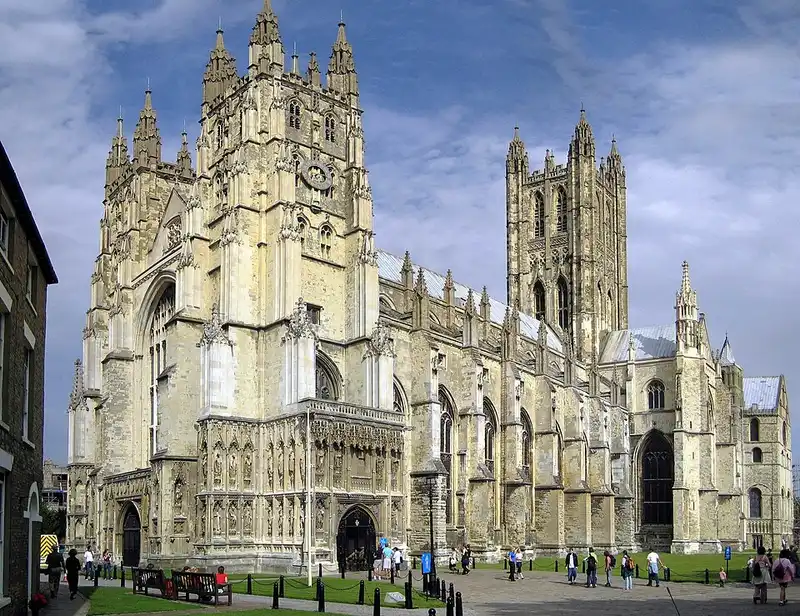
- Canterbury CathedralCanterbury Cathedral is the cathedral of the archbishop of Canterbury, the spiritual leader of the Church of England and symbolic leader of the worldwide Anglican Communion.97 km
Canterbury Cathedral
Day 1 · tonight's stop
Located in Canterbury, Kent, it is on the site of one of the oldest Christian structures in England and forms part of a World Heritage Site.
Wikipedia · Hans Musil · CC BY-SA 4.0
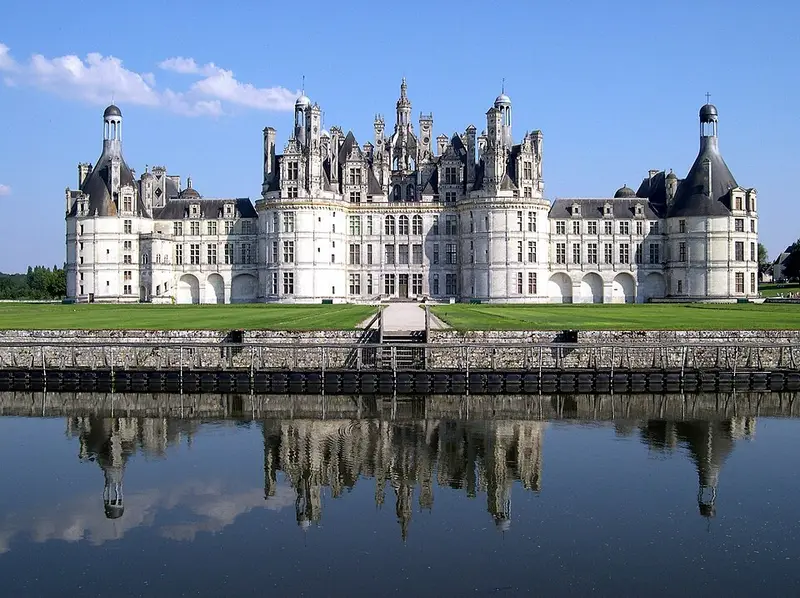
- Château de ChambordThe Château de Chambord in Chambord, Centre-Val de Loire, France, is one of the most recognisable châteaux in the world because of its very distinctive French Renaissance architecture, which blends traditional French medieval forms with classical Renaissance structures.610 km
Château de Chambord
Day 3 · 359 km into the day · an afternoon stop
The Château de Chambord in Chambord, Centre-Val de Loire, France, is one of the most recognisable châteaux in the world because of its very distinctive French Renaissance architecture, which blends traditional French medieval forms with classical Renaissance structures.
Wikipedia · No machine-readable author provided. Calips assumed (based on copyright claims). · CC BY-SA 3.0
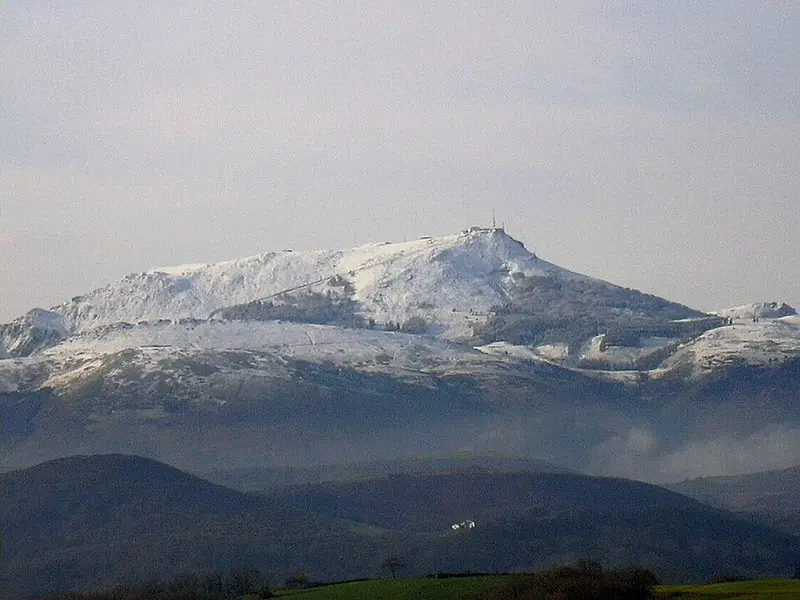
- LarrunLarrun is a mountain at the western end of the Pyrenees. It is located on the border of France and Spain, where the traditional Basque provinces of Labourd and Navarra meet.28 km
Larrun
Day 5 · 28 km from Donostia / San Sebastián
Larrun is a mountain at the western end of the Pyrenees. It is located on the border of France and Spain, where the traditional Basque provinces of Labourd and Navarra meet.
Wikipedia · No machine-readable author provided. Harrieta171 assumed (based on copyright cla · CC BY 2.5
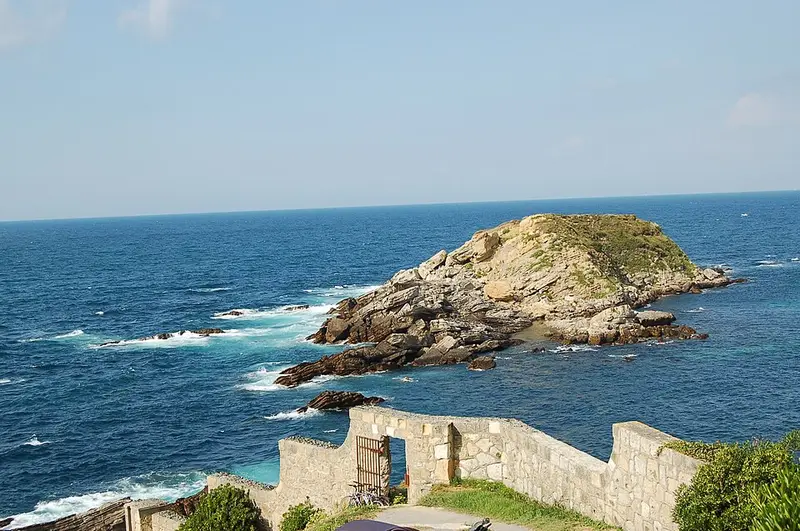
- Cape HiguerThe Cape Higuer is a cape on the Bay of Biscay standing out at the end of the mountain range Jaizkibel by the France–Spain border in the municipality of Hondarribia.17 km
Cape Higuer
Day 5 · 17 km from Donostia / San Sebastián
The Cape Higuer is a cape on the Bay of Biscay standing out at the end of the mountain range Jaizkibel by the France–Spain border in the municipality of Hondarribia.
Wikipedia · Mowenna · CC BY-SA 3.0
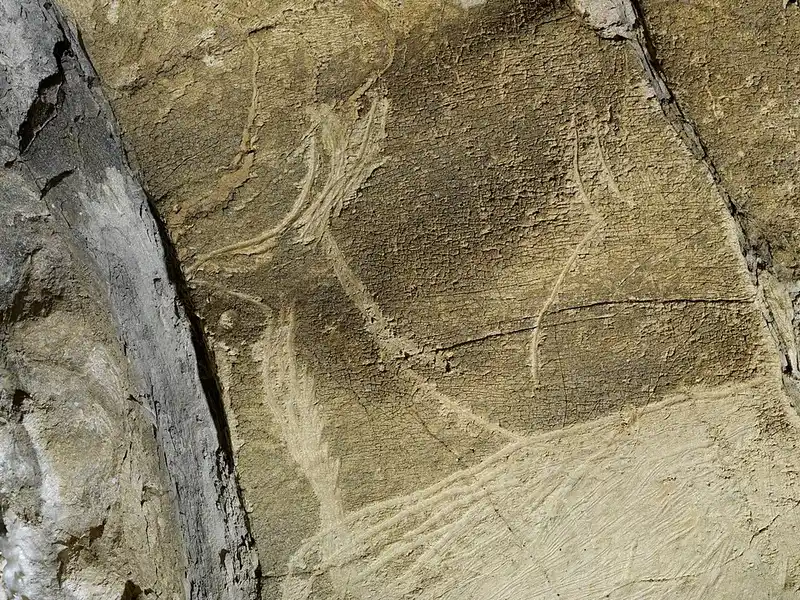
- Cave of AltxerriThe Cave of Altxerri is located in the municipality of Aya in the Basque Country.14 km
Cave of Altxerri
Day 5 · 14 km from Donostia / San Sebastián
Altxerri houses one of the largest sets of rock engravings of the area.
Wikipedia · GipuzkoaKultura · CC BY-SA 2.0