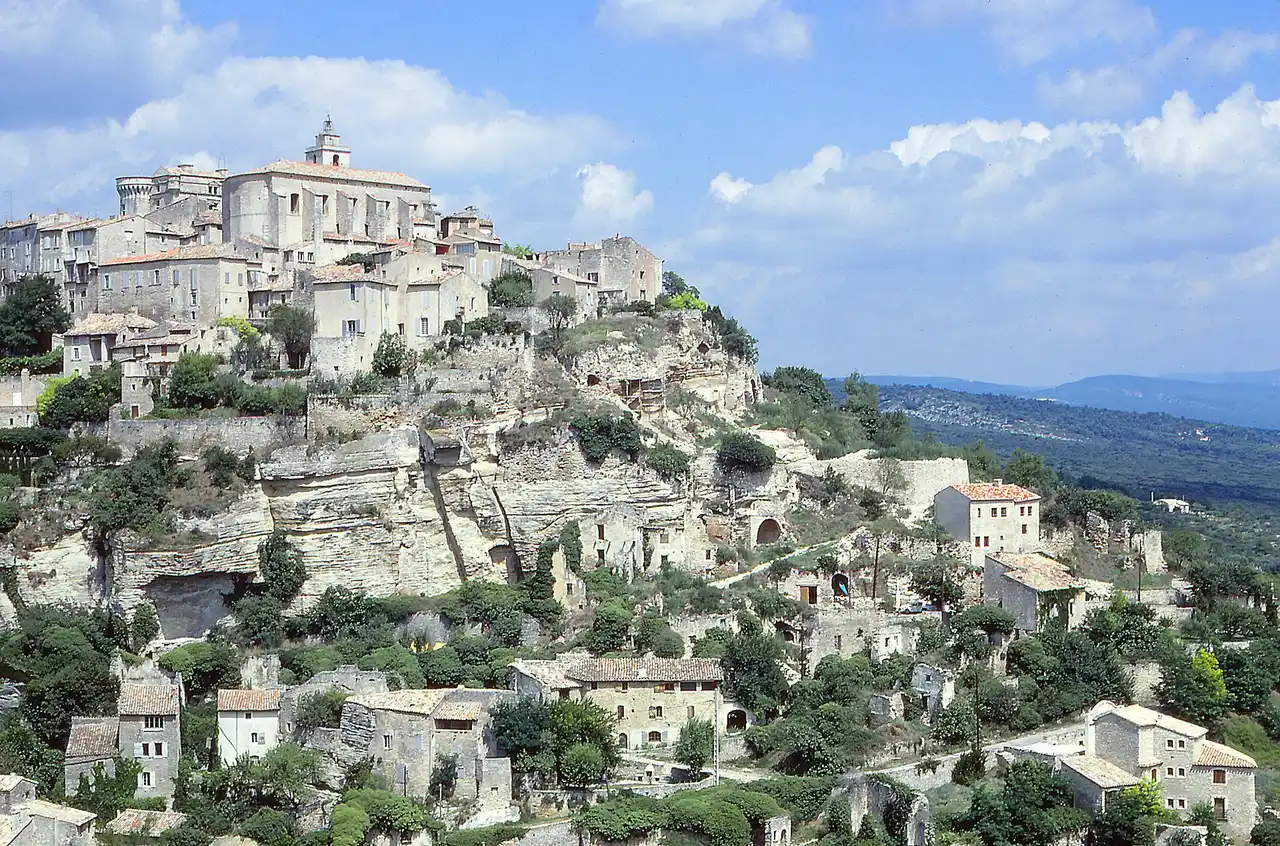
 Jean-Pol GRANDMONT · CC BY 4.0
to Provence
Lavender, Roman bridges and hill villages
14 days · 1,331 km · with a caravan, two people
Real routes and published prices — no guesses
- Fuel€305126 litres at an average €2.42 a litre
- Price per litre on the wayBelgium €2.35 · France €2.36 · Netherlands €2.51
- Motorway tolls in France€52.10MAGNANT → DIJON CRIMOLOIS, SOIRANS → BEYNOST
- Motorway tolls in France≈ €48An allowance: 533 tolled km at the country's usual rate — we don't hold its published tariff yet.
- 13 nights€289≈ €22 a night — every night is listed under “Where you'll sleep”
- Food€598≈ €43 a day for 14 days, cheap eats
Fuel: the EU Weekly Oil Bulletin, week of 2026-10-04. Tolls, vignettes and ferries: the operators' and authorities' published prices. Nights and food: typical prices in each country for the kind chosen.
- Motorway tolls in France€52.10Paid on the road: MAGNANT → DIJON CRIMOLOIS, SOIRANS → BEYNOST
- Motorway tolls in France≈ €48An allowance: 533 tolled km at the country's usual rate — we don't hold its published tariff yet.
- Low-emission zoneAmsterdam: Milieuzone
- Low-emission zoneAntwerp: LEZ (register/day-pass)
- Low-emission zoneBrussels: LEZ (register your plate first)
- Low-emission zoneLyon: ZFE — Crit'Air vignette
Only official sellers are linked.
- Night 1 · Revin · 20 km from Charleville-Mézières€25Camping Les Bateaux · campsite
- Night 2 · Auxonne · 29 km from Dijon€22Aire naturelle de Amitie Nature · campsite
- Night 3 · Avignon€22Camping Bagatelle · campsite
- Night 4 · Avignon€22Camping Bagatelle · campsite
- Night 5 · Avignon€22Camping Bagatelle · campsite
- Night 6 · Avignon€22Camping Bagatelle · campsite
- Night 7 · Avignon€22Camping Bagatelle · campsite
- Night 8 · Avignon€22Camping Bagatelle · campsite
- Night 9 · Avignon€22Camping Bagatelle · campsite
- Night 10 · Avignon€22Camping Bagatelle · campsite
- Night 11 · Avignon€22Camping Bagatelle · campsite
- Night 12 · Avignon€22Camping Bagatelle · campsite
- Night 13 · Avignon€22Camping Bagatelle · campsite
Priced for campsites: typical prices in each country, not a booking.
Sources: EU weekly fuel bulletin · operators' published tariffs · Wikipedia · map © OpenStreetMap contributors
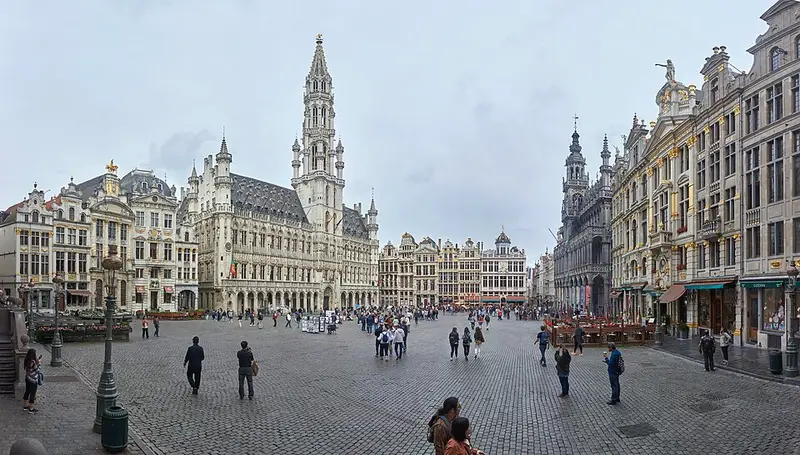
- Grand-PlaceThe Grand-Place or Grote Markt is the central square of Brussels, Belgium.225 km
Grand-Place
Day 1 · 225 km into the day · a lunch stop
In 1695, during the Nine Years' War, most of the square was destroyed during the bombardment of Brussels by French troops.
Wikipedia · Celuici · CC BY-SA 4.0
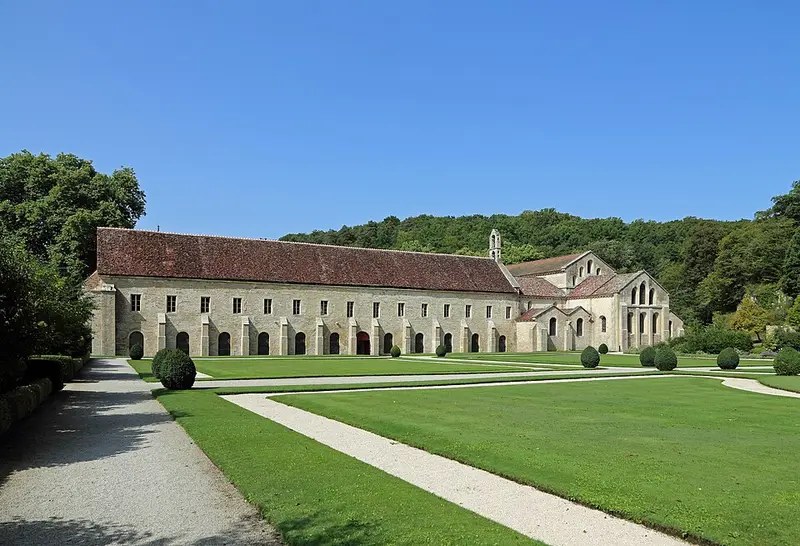
- Abbey of FontenayThe Abbey of Fontenay is a former Cistercian abbey located in the commune of Marmagne, near Montbard, in the département of Côte-d'Or in France.763 km
Abbey of Fontenay
Day 2 · 109 km before tonight's stop
It was founded by Saint Bernard of Clairvaux in 1118, and built in the Romanesque style.
Wikipedia · Marc Ryckaert · CC BY-SA 4.0
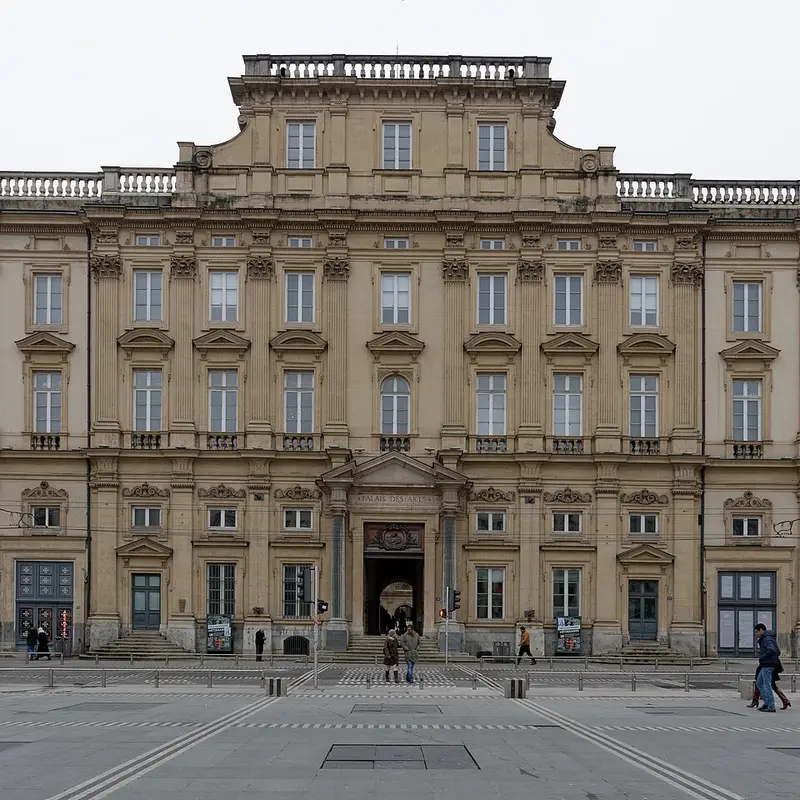
- Museum of Fine Arts of LyonThe Museum of Fine Arts of Lyon is a municipal museum of fine arts in the French city of Lyon.1,087 km
Museum of Fine Arts of Lyon
Day 3 · 215 km into the day · a lunch stop
The Museum of Fine Arts of Lyon is a municipal museum of fine arts in the French city of Lyon.
Wikipedia · Jastrow · CC BY 2.5
- Pont du GardThe Pont du Gard is an ancient Roman aqueduct bridge built in the first century AD to carry water over 50 km to the Roman colony of Nemausus.22 km
Pont du Gard
Day 4 · 22 km from Avignon
The Pont du Gard is an ancient Roman aqueduct bridge built in the first century AD to carry water over 50 km to the Roman colony of Nemausus.
Wikipedia · Benh LIEU SONG (Flickr) · CC BY-SA 3.0
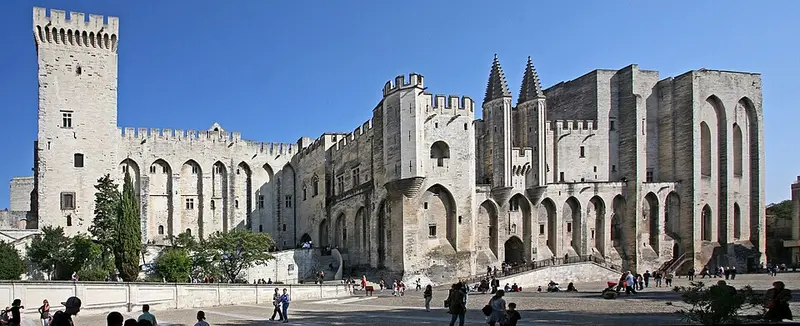
- Palais des PapesThe Palais des Papes in Avignon, Southern France, is one of the largest and most important medieval Gothic buildings in Europe.1 km
Palais des Papes
Day 4 · in Avignon
The Palais des Papes in Avignon, Southern France, is one of the largest and most important medieval Gothic buildings in Europe.
Wikipedia · Jean-Marc Rosier (de/from http://www.cjrosier.com + http://www.gordes-immobilier · CC BY-SA 3.0
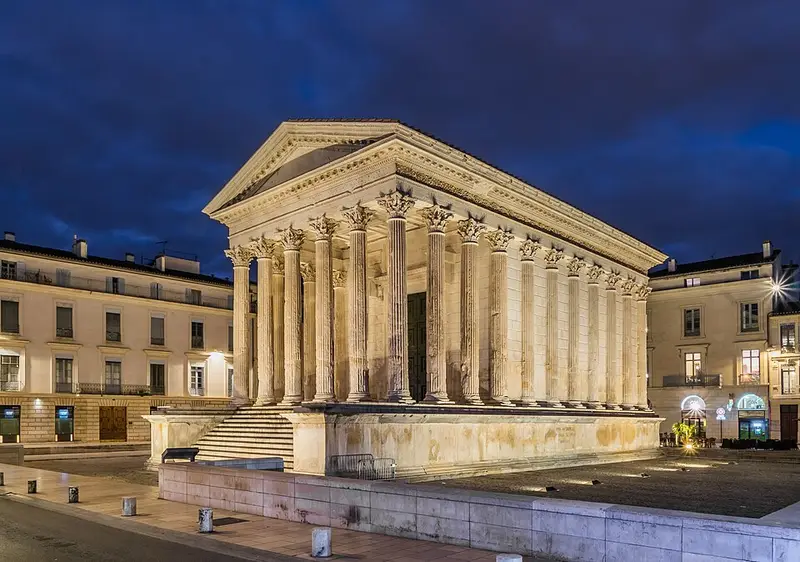
- Maison carréeThe Maison carrée is an ancient Roman temple in Nîmes, southern France; it is one of the best-preserved Roman temples to survive in the territory of the former Roman Empire.38 km
Maison carrée
Day 4 · 38 km from Avignon
The Maison carrée is an ancient Roman temple in Nîmes, southern France; it is one of the best-preserved Roman temples to survive in the territory of the former Roman Empire.
Wikipedia · Krzysztof Golik · CC BY-SA 4.0